Sri Lanka is welcoming and generally safe, but a few practical tips will help you avoid common pitfalls and show respect for local culture. Here is everything you need to know before you go.
Safety & Health
- General safety: Sri Lanka is safe for tourists. Petty theft exists in crowded areas. Keep valuables secure, especially on trains and buses.
- Drinking water: Do not drink tap water. Stick to bottled water. Most hotels provide free bottles. Avoid ice in drinks from street vendors.
- Health precautions: Recommended vaccines include hepatitis A/B, typhoid, and tetanus. Carry mosquito repellent, especially for Yala and east coast. Anti-malarial is not typically required.
- Medical care: Private hospitals in Colombo and Kandy are good. Carry travel insurance. Pharmacies are widespread and sell most medications without prescription.
- Sun protection: The tropical sun is strong. Use SPF 50+ sunscreen, wear a hat, and stay hydrated. Heat exhaustion is common in April and May.
Money & Currency
- Currency: Sri Lankan Rupee (LKR). Exchange at banks or authorized exchanges. Airport rates are fair but avoid hotel exchanges.
- Cards: Visa and Mastercard accepted at hotels and restaurants. Many smaller shops and tuk-tuks are cash-only. Always carry some rupees.
- ATMs: Widely available in cities. Withdraw in smaller amounts (Rs 10,000-20,000) to avoid issues with machines running out of cash.
- Budgeting: Budget travelers spend $30-50/day. Mid-range $80-150/day. Luxury $200+/day. Sri Lanka is affordable compared to Western destinations.
- Tipping: 10% is standard at restaurants. Safari guides and drivers expect tips (Rs 500-1000 per day for guides, Rs 300-500 for drivers).
Food & Dining
- Local cuisine: Try rice and curry (served with multiple dishes), kottu roti (stir-fried flatbread), hoppers (bowl-shaped pancakes), and string hoppers. Seafood is excellent on the coast.
- Spice level: Sri Lankan food is spicy. Ask for "mild" if you cannot handle heat. "No chili" (chilli naththan) will still have some spice.
- Where to eat: Local hotels (small cafes) serve authentic, cheap meals. Restaurants in tourist areas cater to international tastes. Street food is generally safe if freshly cooked.
- Fruit: Try fresh mango, pineapple, papaya, king coconut, and rambutan. Wash with bottled water or peel before eating.
- Alcohol: Alcohol is available but not ubiquitous. Some restaurants do not serve it. Bars are mostly in tourist areas and Colombo. Sunday is a dry day in some areas.
Dress Code & Etiquette
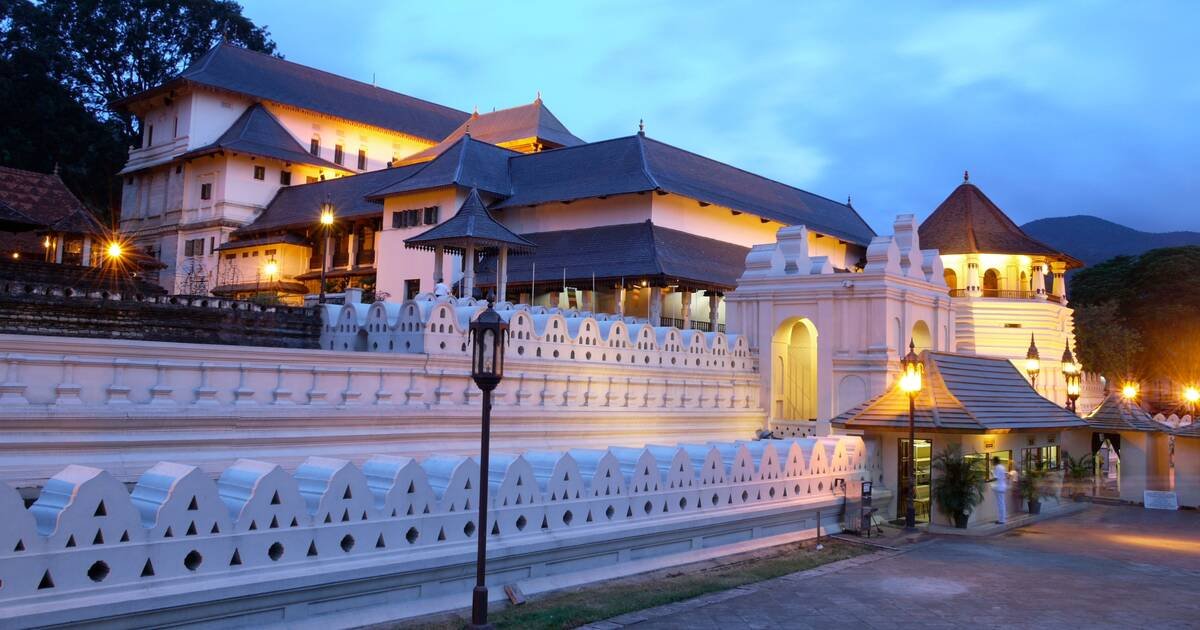
- Temple dress code: Shoulders and knees must be covered. Remove shoes and hats before entering. White is traditional but not required. Carry a scarf to wrap around shoulders.
- Beach attire: Swimwear is only for beaches. Cover up when leaving the beach. Sri Lankans dress modestly even in hot weather.
- Buddhist respect: Never point your feet at Buddha statues or people. Do not take photos with your back to Buddha. Keep conversations quiet in temples.
- Greeting: A gentle "Ayubowan" (hello) with a slight nod is respectful. Handshakes are common in urban areas. Public displays of affection are uncommon.
- Photography: Ask permission before photographing people, especially monks and locals. Some temples prohibit photography inside sanctums.
Transport & Getting Around
- Tuk-tuks: Always negotiate the price or insist on the meter. Download PickMe or Uber apps for fair pricing. Typical city ride: Rs 150-300.
- Buses: Cheap but crowded. Intercity buses are better than local ones. Expect stops every few minutes. AC buses cost more but are more comfortable.
- Trains: Book tickets in advance for popular routes (Kandy-Ella). Observation cars sell out weeks ahead. 2nd and 3rd class are available without booking.
- Private drivers: Cost $50-70 per day including fuel. Negotiate the full trip price upfront. Drivers often double as informal guides.
- Driving: Traffic is chaotic, especially in Colombo. Roads are narrow and winding in hill country. International driving permit required. Renting a scooter is popular in tourist towns.
Packing Essentials
- Sun protection: SPF 50+ sunscreen, hat, sunglasses, lightweight long sleeves
- Insect repellent: Mosquito repellent with DEET for Yala and east coast
- Footwear: Comfortable walking shoes, sandals for beaches, modest footwear for temples
- Clothing: Light, breathable fabrics, modest temple wear, light jacket for hill country
- Electronics: Universal adapter, power bank, waterproof phone case for beach activities
Frequently Asked Questions
Is Sri Lanka safe for tourists?
Yes, Sri Lanka is generally safe. Petty theft exists in tourist areas. Standard precautions apply. The country has a well-developed tourism infrastructure. Stay updated on travel advisories.
What should I wear in Sri Lanka?
Light, breathable clothing. Modest dress is required for temples (shoulders and knees covered). Swimwear only at beaches. Carry a light jacket for hill country.
Can I drink tap water in Sri Lanka?
No, stick to bottled water. Most hotels provide free bottles. Avoid ice in drinks from street vendors. Use bottled water for brushing teeth if you have a sensitive stomach.
Ready to Plan Your Trip?
Explore our destination guides with detailed safety tips and practical info