Sri Lanka is a year-round destination, but timing your trip right makes all the difference. The island has two monsoons affecting opposite coasts, which means there is always a sunny side to explore. Here is everything you need to know to plan the perfect visit.
Sri Lanka's Two Monsoon Seasons
Unlike most tropical countries with one rainy season, Sri Lanka has two distinct monsoons:
Southwest Monsoon (Yala)
May — September
Affects the south and west coasts including Colombo, Galle, and Mirissa. The hill country (Nuwara Eliya, Ella) also sees rain. Best avoided for beach holidays on the southwest.
Northeast Monsoon (Maha)
October — January
Affects the north and east coasts including Trincomalee, Arugam Bay, and Jaffna. Meanwhile, the south and west coasts enjoy their best weather. Perfect for cultural triangle tours.
Month-by-Month Weather Guide
January
Peak season. Dry across most of the island. Ideal for beaches, safaris, and trekking. Expect higher prices.
February
Still dry and sunny. Excellent for whale watching in Mirissa and Trincomalee. Great for the Cultural Triangle.
March
Hot and dry. One of the best months for all-round travel. Beach weather is perfect on both coasts early in the month.
April
Pre-monsoon heat. The hottest month. Inter-monsoon showers begin. Good for hill country to escape the heat. Prices drop.
May
Southwest monsoon begins. South and west coasts get rain. East coast (Trincomalee, Arugam Bay) is still sunny and a great alternative.
June
Peak southwest monsoon. Heavy rain in the south and west. The east coast is at its best — this is prime Arugam Bay season.
July
Southwest monsoon continues. Hill country is lush and green. East coast surfing season is in full swing. Kandy Esala Perahera festival.
August
Monsoon eases slightly. Still wet in the southwest. East coast remains sunny and dry. Yala National Park is excellent.
September
Tail end of southwest monsoon. Showers become intermittent. East coast still good. A shoulder season with fewer crowds.
October
Inter-monsoon period. Unpredictable rain across the island. The wettest month for some areas. Lowest prices of the year.
November
Northeast monsoon begins. Rain moves to the north and east. South and west coasts start clearing up. Good for southern beaches.
December
South and west coasts become sunny again. Festive season. Popular with European winter escapees. Book early.
Best Time by Activity
Beach Holidays
South & West Coast: December — March
East Coast: May — September
Wildlife Safaris
Yala & Udawalawe: February — July (dry, animals gather at waterholes)
Wilpattu: February — October
Hill Country & Trekking
Ella & Nuwara Eliya: January — March and August — September
Avoid heavy monsoon months for clear views.
Cultural Triangle
Sigiriya, Anuradhapura, Polonnaruwa: January — March
Dry season means easier climbing and less humidity.
Frequently Asked Questions
What is the best month to visit Sri Lanka?
Does Sri Lanka have a monsoon season?
When is the cheapest time to visit Sri Lanka?
Plan Your Trip to Sri Lanka
Explore our most popular destinations by season
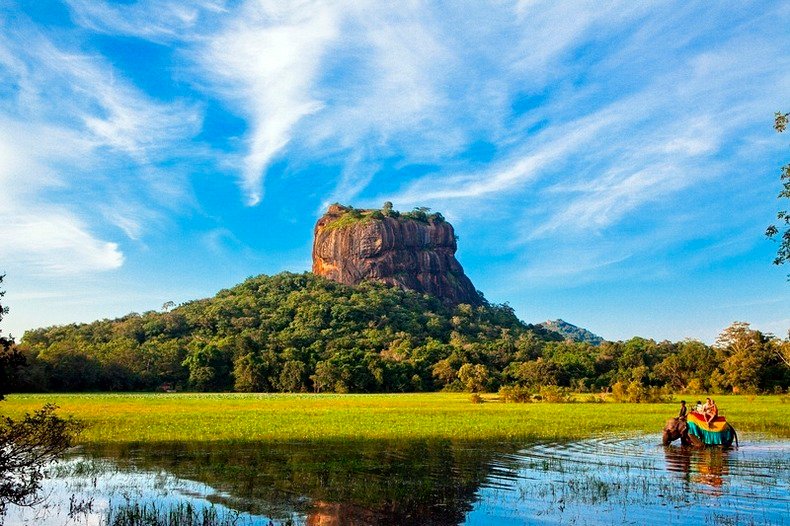
Sigiriya
cultural
Best: December, January, February, March, July, August

Nuwara Eliya
cold
Best: March, April, May, August, September, October

Mirissa
beach
Best: November, December, January, February, March

Ella
nature
Best: January, February, March, April, May, December
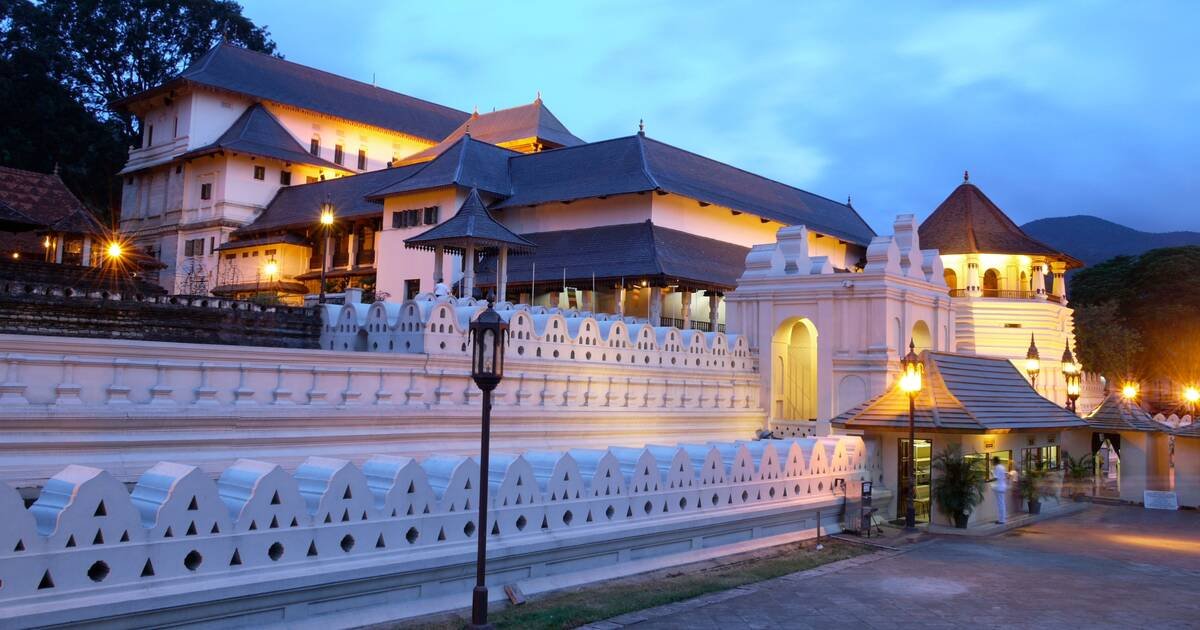
Kandy
cultural
Best: December, January, February, March, July, August

Yala National Park
nature
Best: February, March, April, May, June, July, August